• Ranking Music Biopics To Celebrate The Release of Springsteen: Deliver Me from Nowhere

    In the trailer for Scott Coopers upcoming film Springsteen: Deliver Me From Nowhere1, Jeremy Strong, who is playing Jon Landau is having a conversation with Al Teller, who is played by David Krumholtz2, and in that conversation, Landau talks about Bruce Springsteen growing up with a hole in his floor and how making the 1982 acoustic album Nebraska, Springsteen will fill that hole that he grew up with. It’s tacky. It’s cheesy. It’s a cheap attempt to pull at the viewers heart strings.

    Well, the point I’m about to make isn’t really going to make a whole lot of sense because, apparently, that line has been completely axed from the movie. The fans do not get a hole-in-Bruces-floor monologue from Jeremy Strong and I think this is a good thing as a whole, but one that I’m disappointed about because that was my first impression of the movie. I feel robbed.

    Regardless, the point I’m attempting to make is that, in light of the masses begging for music biopics to stop being made, I would feel like there’s a hole in my film consumption. Sure, a lot of music biopics don’t work and are overstuffed Oscar bait ploys, but I rarely leave a theater after watching a music biopic and feel like I was bored. I hope that music biopics are made up until the day I take my final breathe. Whether they’re good, bad, or down right offensive, keep churning them out.

    In preparation of Springsteen: Deliver Me From Nowhere, I wanted to rank my three favorite and my three least favorite music biopics of all time.

    Top 3

    3. Amadeus (1984) dir. Milos Forman

    Sure, it’s disgusting that a mini series adaptation of Amadeus is being made3, but don’t let that distract you from the fact that the film it’s an adaptation of is one of the best of the entire 20th century. Milos Forman directs this imagined rivalry between Mozart and Salieri in grand fashion, and while it serves as a blooming display of Mozart’s talent and flaunt sprawling sets of 1700s Europe, but most importantly, it’s a great movie about a hater. Down to its core, this film presents Salieri as one of films greatest haters. Not a villain per say, but a man who is jealous of a counterparts talent and attitude and that hates consumes every waking moment of his life.
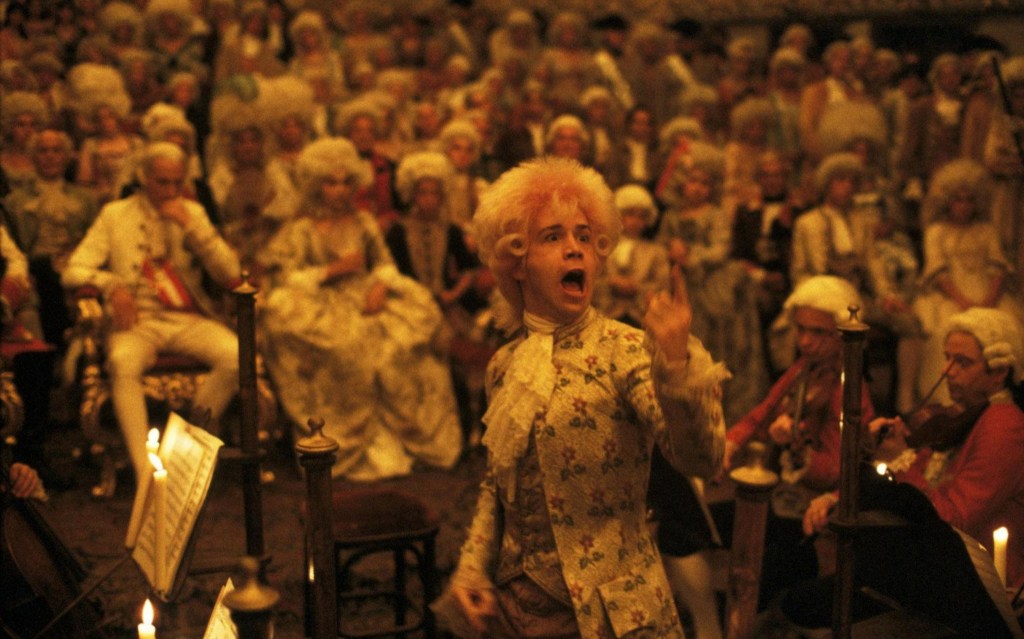
    It’s easy to ogle over how great this movie looks or to appreciate the performances from Tom Hulce and F. Murray Abraham, but when I watch Amadeus, I love the hate it exudes. Not many films are able to convey this sort of pettiness the way Forman does and in music history, there are bitter rivalries that don’t get talked about enough and would make for great films. I just don’t think any would be able to hold a candle to the hate that Amadeus emits.

    2. Kneecap (2024) dir. Rich Peppiatt

    A lot of music biopics either focus on a past period of a musicians life or they try to tell the story of an entire musicians life in two hours. What sets Kneecap apart from other music biopics is that it doesn’t feel like it falls in either one of those categories. The way that Rich Peppiatt makes the inception of Kneecap feel present gave it a fresh feeling. I’m sure a lot of that has to do with Kneecap gaining prominence over the past few years, but Peppiatt opting to cast the three members of Kneecap in the movie as the leads was brilliant.

    What makes Kneecaps story so compelling and in turn translates so well into the film is that their career started as an attempt to preserve their culture by keeping their native language alive. Their antics and music gave them local success and it only kept expounding, but at its core, Kneecaps objective of advocating for their roots and other nations in peril is what makes them special. Peppiatt’s feature debut tells that story in a concise, funny, and energetic manner and that’s why I love it so much.

    1. I’m Not There (2007) dir. Todd Haynes

    There are two Bob Dylan biopics that released in the 21st century. One, which is James Mangolds4 A Complete Unknown, takes a paint-by-numbers approach to a four year span of Dylans life and career and culminates in him going electric at Newport. Despite me slapping it with a paint-by-numbers moniker, it works and brings great energy from start to finish.

    The other, and lesser known, Dylan biopic came out in 2007 and was directed by Todd Haynes. I’m Not There uses six actors (Christian Bale, Cate Blanchett, Marcus Carl Franklin, Richard Gere, Heath Ledger, and Ben Whishaw) to display separate personas of Dylans life and activism. And while it sounds like pie in the sky thinking to think this could work as a concept, it proved to be, what I believe is the best music biopic ever. Wall-to-wall, the performances are fantastic, the best two coming from Cate Blanchett as Jude Quinn and Marcus Carl Franklin as Woody Guthrie.

    In addition to the performances, Haynes’ choice to shoot a lot of this film in black and white adds an elegance to Dylans life and career that played as a tasteful artistic choice. It was a choice that made me gravitate more and more into this exaggerated portrayal and because of its unorthodox style, I find it to be an essential watch for anyone who is a Bob Dylan fan, or for fans of political activism through songs, or even people who are fans of Cate Blanchett. Hell, everybody and their mothers should watch I’m Not There because it’s a great movie.

    Bottom 3

    3. Bohemian Rhapsody (2018) dir. Bryan Singer

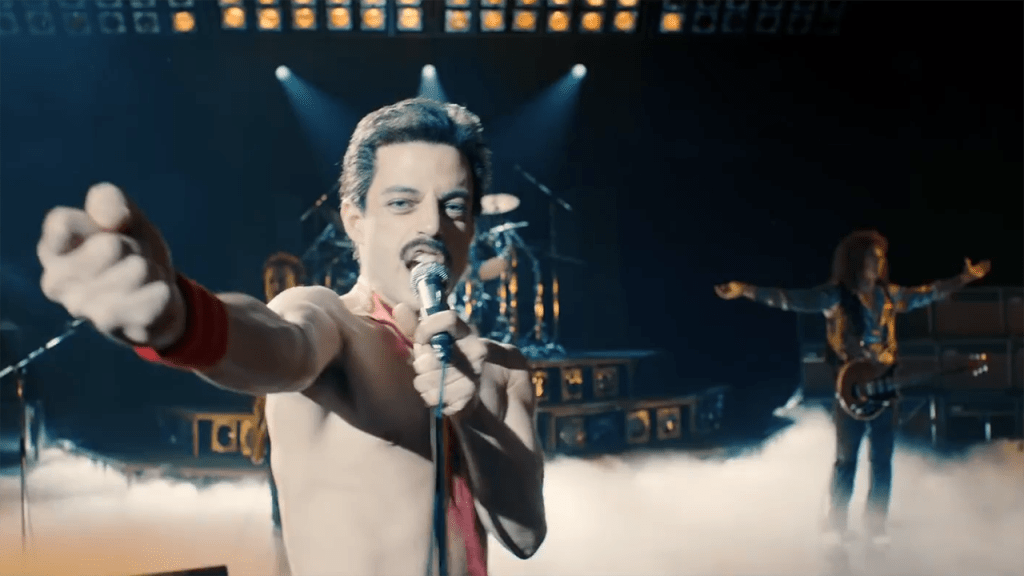
    From the director being a sex pest with a predilection for children to Rami Malek doing a hammed up, uninspired performance as Freddy Mercury, the Queen biopic, Bohemian Rhapsody, is an offensive portrayal of one of the most influential (even if I do find them overrated) rock groups. The discourse around this movie since its release seven years ago has seen so many negative takes that I have nothing original to say about the movie.

    The only silver lining that you get from Bohemian Rhapsody is you get to hear Queen songs in a nostalgic way and when you’re hearing those songs, it’s the only time I didn’t roll my eyes in annoyance. At just south of two hours and twenty minutes for its runtime, the brutish slog offers one slight victory and it’s when the end credits finally roll.
    2. The Doors (1991) dir. Oliver Stone

    There are surely music biopics out there that are worse than The Doors and, as a base level fan of The Doors, I might not be the best judge of the story Oliver Stone tells, but, at nearly two and a half hours, this is a monotonous slog of Val Kilmer doing a good performance with not nearly enough music from the legendary rock band. When I watched this for the first time, I was in the midst of an Oliver Stone kick and by and large, I love Stone’s work. Platoon is my second favorite war film ever. Natural Born Killers is a masterpiece of media examination. And Savages makes for a great watch when you’re shit housed on the couch on a Saturday night. However, there are many aspects of The Doors that turns me off.
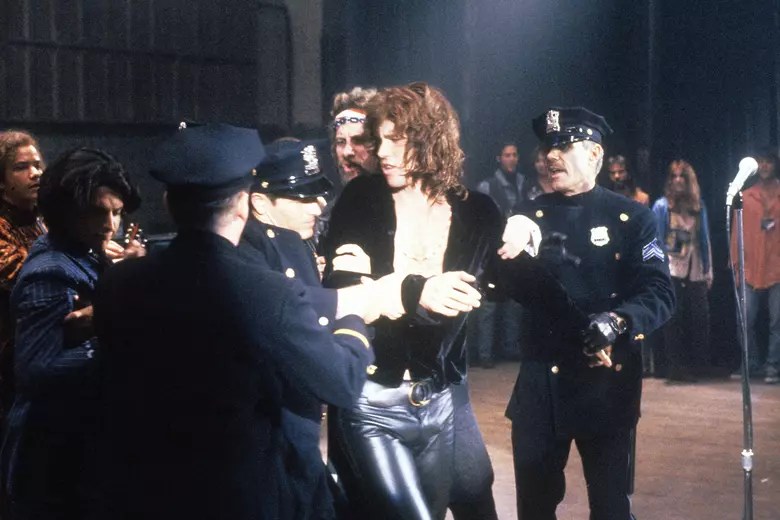
    It’s a film that meanders in an obnoxious, pompous fashion, and I think that’s the best representation of what The Doors, especially Jim Morrison, were. So does that make it a good biopic because it captured the essence of what they were or does Stone get too much up his own ass trying to harness that essence? I’d side with the latter.

    1. Back to Black (2024) dir. Sam Taylor-Johnson

    What word should I use to describe Sam Taylor-Johnsons portrayal of Amy Winehouse in Back to Black? Distasteful? Disgusting? Abhorrent? Any synonym to those words works because Sam Taylor-Johnson boils down the career of my favorite musician ever into her being a drunk, ditsy whore and never hones in on her real talent. Marisa Abela is a fine actress and she does nail Winehouse’s ticks, but the script written by Matt Greenhalgh and the direction from Taylor-Johnson simply does nothing with Abela’s acting chops.

    Back to Black doesn’t serve as a remembrance or celebration of the great, yet short, career Winehouse had. In reality, it taps into the trauma and addiction in Winehouse’s life and doesn’t address it in a thoughtful way. Instead, it just makes you soak in the fact Winehouse didn’t have a good support system and was exploited and it almost feels like that’s celebrated. It’s sort of the same way a teenager could see a rock star strung out on heroin, banging chicks and thinking that it’s badass because they haven’t seen the real world.

    Unfortunately, I won’t be catching Springsteen: Deliver Me From Nowhere in theaters this weekend. Under any other circumstances I’d be at the West Springfield Cinemark shoveling popcorn in my mouth on Friday night, but this is a movie both my girl friend and parents want to see. To my disappointment, my girl friend is working this weekend and my parents are “busy”, so I’ll be watching Springsteen: Deliver Me From Nowhere next weekend and will be way behind the review cycle of a movie that’s already receiving rough reviews.

    My biggest concern going into Springsteen: Deliver Me From Nowhere is not really the source material, even though it doesn’t seem too interesting, it’s the fact that Scott Cooper, a relatively bland director is behind the camera. His past ventures, Crazy Heart, which won Jeff Bridges an Oscar, was middling. Out of the Furnace and Black Mass serve as a good double feature if you want to be put to sleep. In reality, there are two films in his whole filmography that I’ve been able to tolerate and that’s Hostiles and A Pale Blue Eye, both of which are period piece thrillers led by Christian Bale.

    Seeing that those are the two I like from Cooper and the fact that Springsteen: Deliver Me From Nowhere isn’t a thriller with Christian Bale as the star, I’m a bit worried. I don’t think Cooper’s a poor or incompetent director, but I do think his biggest weakness is that he’s safe in his approach. Never taking big swings is going to lead to a filmography that looks like what Coopers is and it’s upsetting because he’s worked with super talented performers over his career like Bale, Jesse Plemons, Rosamund Pike, Timothee Chalamet, Johnny Depp, Kevin Bacon, Wes Studi, and Zoe Saldana. I think the reason these projects from him haven’t hit is because he does not take big swings.

    Nevertheless, no matter how many bad reviews roll in over the next week, I know I will feel twinges of excitement when I finally get a shot at seeing Jeremy Allen White shake his ass around in a white tee and jeans while he sings Born To Run.

    1. Stupid title. I kind of dig Delivery From Nowhere a bit, but tacking on the Springsteen part is tacky. We know this movie is about Bruce Springsteen. I didn’t need James Mangold to slap Dylan in front of A Complete Unknown to know that the movie was about Bob Dylan. ↩︎
    2. Checkout Lousy Carter on Hulu if you haven’t yet. Extremely funny and Krumholtz’s dry humor plays so well with Bob Byington’s writing. ↩︎
    3. It hurts my heart immensely that Paul Bettany is attached to star in this series. I LOVE Paul Bettany, but his career choices post 2012 are disappointing. ↩︎
    4. There’s two things that James Mangold just gets and it’s Wolverine and music biopics. ↩︎

  • On Thursday, One Battle After Another, Paul Thomas Anderson’s tenth feature film starring Leonardo DiCaprio, Sean Penn, Benicio del Toro, Regina Hall, and Teyana Taylor hits theaters and it’s been one of my three or four most anticipated movies of the year. The reviews all make Andersons loose adaptation of Pynchon’s Vineland sound like it’s one of the decades best and is even being cited as possibly Anderson’s career best, so it’s safe to say I’m excited.

    Unfortunately, it feels like I’m going to be the last person to actually see One Battle After Another because I don’t live in New York or Los Angeles and I’m doing a cooking class with my girlfriend on the night it hits theaters. The things you do for love, right?

    Regardless, this release feels like an event. I’ve never seen a Paul Thomas Anderson movie in theater, but I know what it felt like when I saw my first Fincher on the big screen (The Killer) and my first Scorsese on the big screen (Killers of the Flower Moon) and even my first Nolan on the big screen (Interstellar). It’s a jolt of lightning into your veins. Seeing a masterful film makers work in the way it’s meant to be seen is like a night out on the town that you get all dressed up for and schedule a reservation at a nice steakhouse. It’s something you look forward to.

    To celebrate the special occasion of one of the best working film makers releasing a new movie, I’ve decided to rank Paul Thomas Anderson’s filmography. It wasn’t easy, but someone has to do the heavy lifting around here.

    9. Punch-Drunk Love (2002)

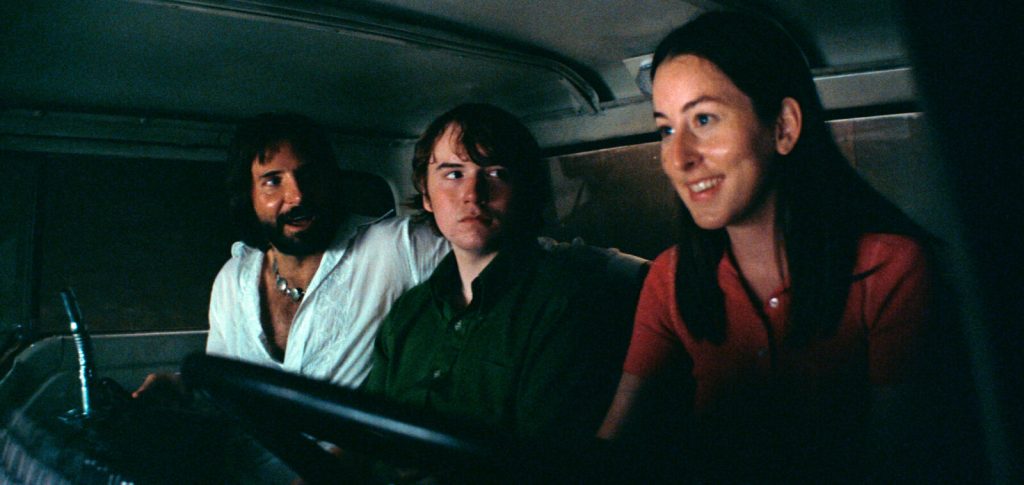
    The worst part of ranking a directors filmography is having to slot a movie in “last place”. There are aspects of Punch-Drunk Love I enjoy. The neuroticism of Sandler’s performance as Barry Egan is fantastic and his chemistry with Philip Seymour Hoffman as the two scream down at each other through the phone is the true highlight of the movie, but outside of that, I didn’t bite on much of what Anderson created here. The two films at the bottom of this list share one similar trait and it’s that I want to really like both Punch-Drunk Love and the movie I ranked eighth. Perhaps it’s too smart for me and I just missed the point, but I’ve tried twice now, and in both watches I felt almost hollow. There was no connection like when I watch Magnolia and there wasn’t that spark of excitement I felt like when I watch Cooper Hoffman laying next to Alana Haim on a waterbed as Let It Roll plays in Licorice Pizza. Maybe one day I’ll get it.

    8. Inherent Vice (2014)

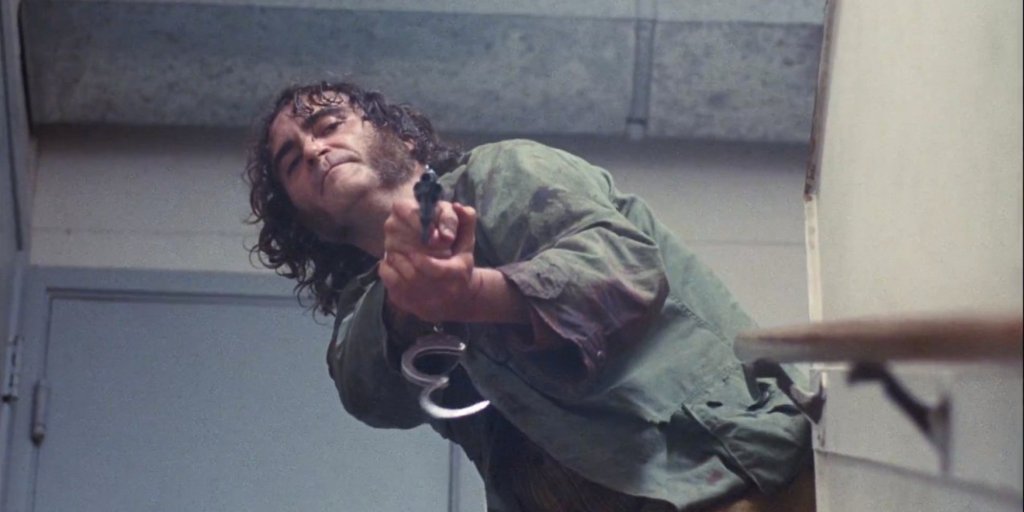
    Every fiber of my body wants to love Inherent Vice. You can easily ask the question “What’s not to love about Inherent Vice?” It’s one of the most loaded casts Anderson has ever assembled with Joaquin Phoenix, Josh Brolin, Owen Wilson, Benicio del Toro, Reese Witherspoon, Maya Rudolph, Hong Chau, Martin Short, and Katherine Waterston and it’s a dashing adaptation of one of Pynchon’s best novels, but something didn’t click when I watched it for the first time and in turn, it’s made me not want to revisit it. I should, but the slow, mysterious pacing on display with its sparce rambling dialogue made my dad and I share looks of confusion in our viewing. Then again, this was probably four years ago when I watched it so maybe my taste has changed.

    7. Phantom Thread (2017)

    Before any PTA sycophants attempt to behead me for having Phantom Thread in the lower third of my rankings, I want to say that I like Phantom Thread. Hell, I really like it. The issue is that Anderson’s filmography is so extremely strong that some great movies have to be the sacrificial lamb and be ranked seventh. For Anderson, I find Phantom Thread to be his most tender film. It’s a raw love story wrapped in deceit and anger and just simmers and simmers up to one of the most beautiful line readings of Daniel Day-Lewis’s career when he says “Kiss me, my girl, before I’m sick.” It’s a shame Daniel Day-Lewis didn’t win his fifth career Oscar for this performance and it’s an even bigger travesty that Lesley Manville didn’t win Best Supporting Actress.

    6. Hard Eight (1996)

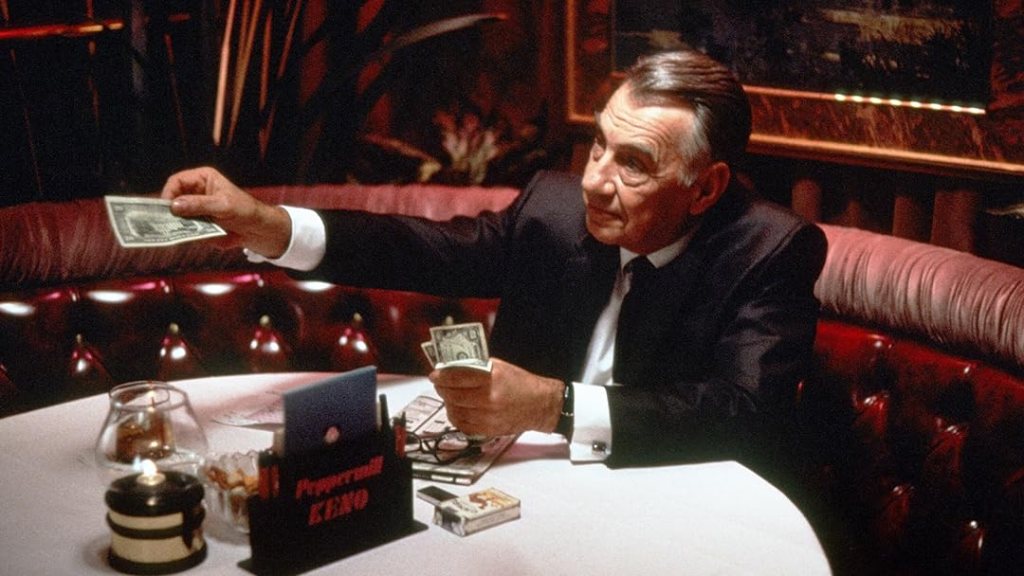
    I’m sure that Paul Thomas Andersons directorial debut is lower on many peoples list when it comes to ranking his filmography, but I have a soft spot for this gritty, depressing crime drama starring John C. Riley, Gwyneth Paltrow, and Philip Baker Hall. It sounds simple and or cliche to say, but due to its grungy and desperate nature, Hard Eight feels like a spiritual prequel to Andersons sophomore film, Boogie Nights. It’s a movie about people being used, abused, and wanting to feel love throughout Andersons career is a central theme. Sure, it’s rough around the edges, but I have such a love for the film that laid the ground work for all of PTA’s films that followed.

    5. Licorice Pizza (2021)

    It took me a second watch, but I eventually saw the light on Licorice Pizza. I’ve been vastly radicalized into now believing this is one of the best films of the 2020s and I think it’s because when Paul Thomas Anderson directs a movie, he acts as an elite offensive coordinator putting his cast into the right spots to succeed. Cooper Hoffman as a charming, ambitious, pussy hungry teen works. Alana Haim as a self centered and confused twenty something works. Guess what else works? Benny Safdie as a young gun politician and Tom Waits as a drunk Hollywood friend and George DiCaprio as a waterbed salesman and Bradley Cooper as a psychotic celebrity shagging Barbara Streisand. IT ALL WORKS.

    Despite this taking place four years before Boogie Nights and came out almost twenty five years after it, it feels like the proper companion film about young adults figuring out their lives and relationships against hip and stylish backdrops in and around Los Angeles. It’s a colorful, swift moving piece of film making that I can’t wait to revisit for years to come.

    4. The Master (2012)

    The Master is a film that, in my eyes, is a double edged sword. You can view it as this masterful take on cults and weak individuals that becomes so volatile through the performance of Philip Seymour Hoffman as Lancaster Dodd. Or, you can view it as an extremely well crafted love story between a feeble minded follower and a domineering, charismatic leader. However you view it, and either option isn’t wrong, you’ll see the magic that Anderson makes in each frame and greatly appreciate it.

    Wall to wall, The Master is packed with career best, or close to career best performances for just about all of the actors and actresses involved. Whether it’s the Joaquin Phoenix’s timid portrayal of Freddie Quell, Philip Seymour Hoffman as the explosive cult leader, Amy Adams as Lancaster Dodd’s loving and blinded wife, or even Jesse Plemons who continually questions his fathers words, there is not a miss. While just about every Anderson movie has these superb performances, The Master is the one where everyone is firing on each cylinder making one another better.

    3. Boogie Nights (1997)

    In preparation for One Battle After Another I revisited PTA’s sophomore film, Boogie Nights, and what’s odd is that I remember not loving this the first time I watched it. It was when I was a junior in college and I feel like this should’ve hit me in my sweet spot because it’s Mark Wahlberg swinging his dick around in a stylized late 70s LA, but in reality it’s more than that, and in my recent rewatch I locked into the sensibilities of those around Wahlberg like Philip Seymour Hoffman and William H. Macy’s characters. They’re losers sauntering through their miserable lives of either being disrespected or yearning for love and both, William H. Macy more, have bitter, bleak endings. Even though I keyed into those roles more than in my first watch, it can’t be said enough how unreal Mark Wahlberg is. If we’re being honest and in a safe space, he’s never even come close to dialing in a performance on this level ever again. I know he has it deep down inside, but will he ever reach this point again? My guess is no.

    Within Boogie Nights, once you wade through the incredible tracking shots through valley house parties and clubs and the electric performances from Alfred Molina and Burt Reynolds and Julianne Moore is a 26 year old with balls the size of basketballs who made this movie and it kick started one of the best careers of any American film maker ever. If you haven’t watched it recently, carve out two and a half hours in your day to watch or rewatch Boogie Nights.

    2. Magnolia (1999)

    I remember where I first was when I watched Magnolia. I was in my first senior year of college (or second junior year, I guess it depends how you look at it) and I was laying in my dark dorm room in December, blankets wrapped around me as I blew off an assignment for a class I knew I was going to fail and I watched Magnolia and I felt changed. Seeing Tom Cruise in a toxic role shouting about respecting the cock and taming the cunt and later becoming a vulnerable character at his fathers bedside was so against character for what I knew from Cruise that it made me realize the magic that Anderson possessed as a film maker. His ultimate riff on loneliness in an intertwining, harsh story about these characters for lust after human interaction makes this one of my favorite, if not my favorite if you caught me on a different day, from Anderson.

    When Zach Cregger’s Weapons came out this year and he cited Magnolia as an inspiration for his film, I was excited to see what bits and pieces he would use. While he did use a semblance of the structure to craft his horror epic, my favorite portion he utilized was modeling Alden Ehrenreich’s character after John C. Riley in Magnolia as this bashful, mustached cop trying to figure out the meaningful interactions in their life. If any up and coming film makers take anything from Magnolia, I hope it’s making more mustachio cops with a tender side.

    1. There Will Be Blood (2007)

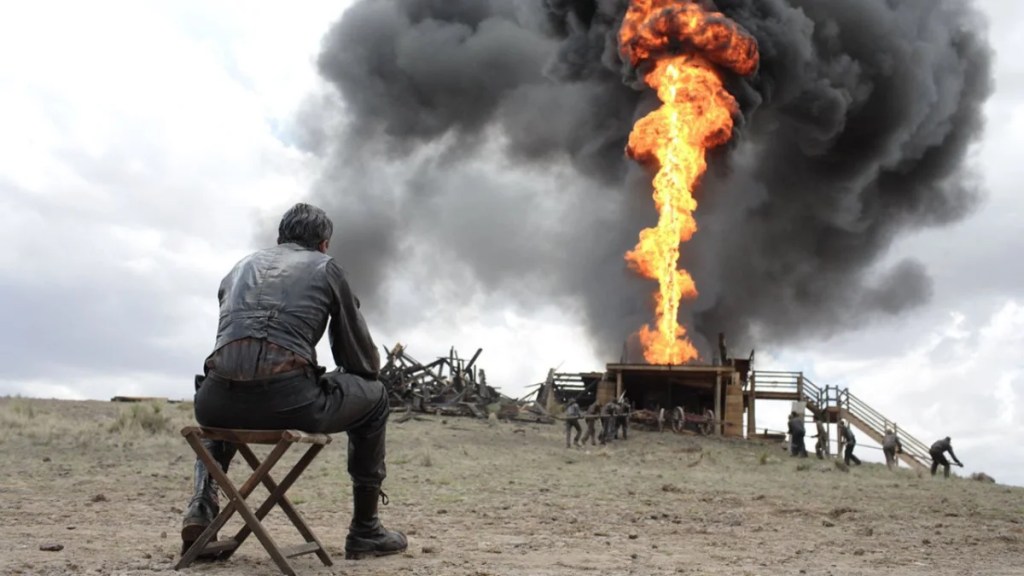
    Clocking in at the top of my Paul Thomas Anderson ranking is his 2007 magnum opus, There Will Be Blood. Past the smoke (literally) and fire presented, whether it’s the grand landscapes of California or intense dialogue spewed between Daniel Day-Lewis and Paul Dano, the thing Anderson does best here, and a common thread throughout his films, is he hammers home the turbulent relationship between a young man and his father figure. In Magnolia he does it well with Cruise as his vessel to convey the tumultuousness between two people and the same can be said in Boogie Nights between Mark Wahlberg and Burt Reynolds, but there is such a raw, brutal nature to the relationship between Daniel Plainview and H.W. Plainview. It feels, initially, like there is a lot of love, even if it’s conveyed in a rough around the edges manner, but as it begins to erode due to Daniel Plainview’s greed and hunger for power, you feel your heart break.

    Not many movies can make you feel that way and it still baffles me that Anderson was able to emit that emotion in a scaled up epic revolving around the world of oil at the turn of the century. But, he does it. He fucking does.

    While the early reviews of One Battle After Another are out of this world great, I have a hard time believing that it will top this. It’s simply lightning in a bottle for over two and a half hours with the best performance of the 21st century.

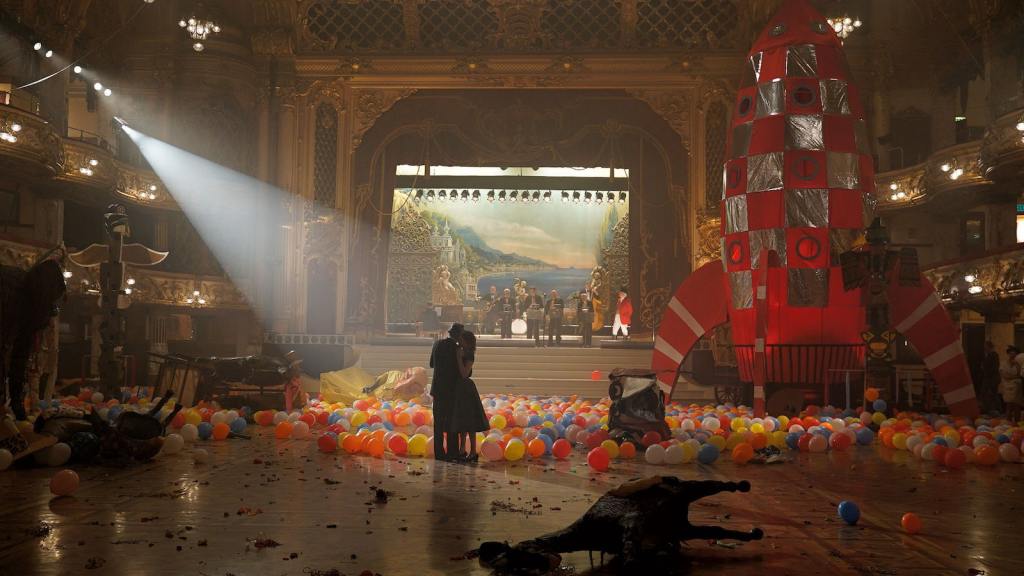
  • Full Review of Happy Gilmore 2 (2025): An Overbearing Amount Of Memberberries

    Whenever I hop on Twitter and I get past my usual algorithm of frat burners posting their Peter Millar shirts or an occasional death video that make my stomach turn from an account I don’t follow, I’ll see these big blue check mark film news accounts posting about casting for an upcoming film or a release date. Every so often, I run into an announcement from one of these accounts letting the masses know about an upcoming sequel to a movie that doesn’t need a sequel. Recently, it’s felt like an uptick, and when you see what’s hit theaters this year, you’ll realize I’m not being hyperbolic.

    Some of these sequels are interesting, thought provoking takes on their predecessor, like 28 Years Later or Mission: Impossible – The Final Reckoning. Then there’s movies like M3GAN 2.0 and Karate Kid: Legends and Captain America: Brave New World which add nothing or almost retract the positive feelings you had towards the films they’re following.

    In the case of Happy Gilmore 2, after I watched it, I began to question if I ever liked the 1996 original film. When I woke up the next day I thought that yes, I do like the original because it was a unique, funny comedy where it felt like Adam Sandler and Julie Bowen and Carl Weathers were giving legitimately good comedic performances. They were selling jokes and using physical comedy not as a crutch, but as a way to make the audience actually laugh. Past the comedic elements, it was also a Rocky style underdog story that viewers bought into.

    That is not what you get in Happy Gilmore 2.

    What you’re presented with in Happy Gilmore 2 is call backs to the original film that you might not remember if it weren’t for the fact that Kyle Newacheck added in the clip from Happy Gilmore that the scene’s were referencing. This wasn’t a one time thing, it happened from the start of the film to the end and to me, that feels like the director and producers saying “The audience won’t get this, so let’s hold their hand and make them get this.” It’s a snark way to make a movie and one that will never work for me. In part, it’s a large reason why I didn’t care for Jason Reitman’s film Saturday Night because there was far too much hand holding in anticipation that the audience would be a big gaggle of drooling apes who couldn’t think for themselves.

    My other major issue was the influx of cameos. Don’t get me wrong, some of them worked. Scottie Scheffler leaning into his arrest was very funny and showed that he has an actual personality and isn’t just a lifeless terminator on the golf course. The same can be said about Will Zalitoris with a decently funny call back as the caddy that Happy Gilmore choked out in the first film. And arguably the highlight of the movie was John Daly as Happy’s roommate. He didn’t do too much, which was probably the right call. He sort of just existed and threw in one liners when needed and more times than not, his one liners made me laugh.

    On the other side of the cameo coin, most of them felt too forced and attempted to be too whacky. Eminem as the son of the heckler from the first film, which again, you wouldn’t remember but for the clip being spliced into the film, was unfunny. Travis Kelce playing a rude waiter made acting look like a chore in his limited scenes. I’m just happy his dim, neanderthal of a brother, Jason, wasn’t in the cast. Among the other cameos that didn’t work for me was Kelsey Plum, who I have no use for, Post Malone, give me a fucking breaking, Rob Schneider, find a new schtick, Guy Fieri, which sort of worked as the loud mouth representative of the LIV adjacent villain but got old quick, and Alix Earle, who made my girlfriend happy but did nothing for me.

    About halfway through the film, I felt like I was watching last years disastrously smug superhero film, Deadpool & Wolverine, because both Happy Gilmore 2 and Deadpool & Wolverine used cameos as a way to try and get viewers to clap their hands like seals. The majority of the masses however aren’t childish mongoloids and they want an actual movie, not a Super Bowl commercial.

    I mentioned earlier how part of the magic that created Happy Gilmore in the 90s was the underdog storyline. I realize that you can’t go back to a narrative of Happy Gilmore wants to play hockey and finds his calling in golf, but it felt cheap that the story was simply Happy is down on his luck because his wife died and now he’s bad a golf, but he’s all of a sudden good at golf again. It felt both cheap and lazy for that to be the basis of the sequel.

    As the story progressed, I wasn’t against the idea of Happy Gilmore 2 being a riff on LIV golf and its wonky rules to seem hip. With todays modern golf climate, it felt like the logical route to take when making a golf movie. But where I became immediately disinterested was when Benny Safdie’s character, who is the head of the MAXI league, reveals that the reason the MAXI golfers are so good is because of a broken bone in their lower body that lets them drive them ball further. Hacky, shit writing. And then their further attempts to make LIV look like a silly league with the made up MAXI league was having a guy play with a chainsaw and have the final of the seven holes have a tilting green was purely ridiculous.

    If you liked Happy Gilmore like I did, I guess I recommend throwing it on as back ground noise to see some essence of nostalgia with Shooter McGavin and Hal L., but don’t expect to be entertained, or laugh, or even enjoy yourself.

    2 / 5 Stars

  • Full Review of Superman (2025): A Refreshing Start To James Gunn’s DCU

    Alright, enough of me pontificating about my reasoning for this site that I hope grows some legs. You’re all here for one reason and one reason alone. You want to hear my thoughts about James Gunn’s Superman film.

    Starring David Corenswet, Rachel Brosnahan, Nicholas Hoult, Edi Gathegi, Nathan Fillion, Isabela Merced, and Skyler Gisondo, we get a true to itself, James Gunn movie. That’s a good thing and also a bad thing. Or maybe bad’s not the word I’m looking for, but it has the typical flaws that a James Gunn movie has.

    On a good note, and a flawed one, Gunn sort of Guardians-of-the-Galaxy-ifies the Superman story. Gunn makes it where there are a lot of moving pieces and characters eating up the spotlight, especially in the third act, and when it comes to the Guardians of the Galaxy films that does work. In those films, there isn’t a solidified main character. Sure, Star-Lord is the focal point of the trilogy, but you become equally invested in Drax, Rocket, Gamora, Groot, even Nebula because you know about their back stories and them coming together is what gives those films heart.

    In the case of Superman however, I begrudgingly agree with Mike Francesa when he says that he doesn’t need Mr. Terrific and Guy Gardner and Hawkgirl flying around. I wanted a lot more of Superman going toe-to-toe with Lex Luthor and trying to win over Lois Lane and bit less of the other heroes injected. That doesn’t mean I don’t think they aren’t important to the storyline, but 15% less of those characters and a little more Superman would have worked better for me.

    Down the line in his career, I would like to see Gunn take a risk and ditch his usual approach of taking a rag tag team and having them battle a villain and instead focus on one or even two heroes. I know it’s far different than what he’s done in the past decade, but when he directed Super in 2010, a very grounded and raw “superhero” crime film, he focused on two individuals, and that’s probably my favorite movie in his filmography. It still carried the same humor he’s used in films following it, but he’s never returned to that approach of focusing on just one main character as his career’s progressed. That’s probably my biggest gripe with Superman overall. Gunn seems to get too bogged down in wanting the audience to ooh and aah at heroes like Mr. Terrific and cameos from Peacemaker, but when you’re handling the IP of the biggest and most famous superhero there is, you don’t need frills.

    In a more positive light of the common Gunn themes, he knows how to pull on the audiences heart strings. In Guardians of the Galaxy Vol. 3, there’s many moments where you can get emotional, especially seeing Rocket’s backstory and his near death experience. While there isn’t a moment on that level in Superman, there’s a few big time soul stirring scenes. My favorite was the interaction between Clark and his father after his escape from Luthor’s inter dimensional prison, and Pa Kent tells him “Parents aren’t for telling their children who they’re supposed to be. We are here to give y’all tools to help you make fools of yourselves all on your own. Your choices, Clark. Your actions. That’s what makes you who you are. Let me tell you something, son, I couldn’t be more proud of you.”

    Outside of that main gripe, I don’t have any other major complaints. I found that cheesy dialogue moments like “Hey, buddy. Eyes up here” worked because Gunn sets up early on that Superman is a corny guy at his core. In his interview with Lois Lane, he makes the comment that “Superman doesn’t have time for selfies” and Lois Lane bites back saying “You’re referring to yourself in the third person?” That happening so early in the movie adds a bit of depth to other moments and lines that Superman drops later on throughout the film, especially in his cliche monologue he shouts at Lex Luthor towards the end of the movie. It’s feels clear that him saying “I love, I get scared. I wake up every morning and despite not knowing what to do, I put one foot in front of the other and I try to make the best choices I can. I screw up all the time, but that is being human. And that’s my greatest strength” was something he’s thought about in the past, even if it is authentic.

    Leading up to the release of the film, there were many questions posed, but the biggest was people wondering how David Corenswet would embody the character of Superman. While he’s not Christopher Reeve (who really is) he’s an above average embodiment of the character. He’s far more charismatic than Henry Cavill, but almost anyone has more charisma than Cavill who is about as interesting as a piece of plywood.

    Throughout the film, Corenswet gives a stellar performance, but any time he’s in a scene with Rachel Brosnahan, who plays Lois Lane, she dominates. This isn’t a knock on Corenswet, but Brosnahan just brings the proper energy to each scene she’s in, whether she’s conveying her disappointment in her relationship with Clark Kent or flaunting love and care for Clark, he’s fantastic.

    While David Corenswet and Rachel Brosnahan have been the talk of the town, the MVP of Superman was Nicholas Hoult as Lex Luthor. Every scene he’s in he’s giving 110% of manic envy and rage. I’d like to say I’m stunned he gave a performance to this degree, but it’s not when you watch his performance in Mad Max: Fury Road. When I left the theater, I thought that his villainous performance as the sinister billionaire was one of the best villain performances in any comic book movie we’ve seen. After sitting with that thought for a couple of days, I still think that sentiment is true. No, it’s not better than Heath Ledger as the Joker or Alfred Molina as Doc Ock, but he’s close behind.

    My final thought, and it’s not a nuanced or original one, is that incorporating so much of Krypto, Superman’s dog, was the right move. It’s, again, another way Gunn pulls at the audiences heart strings because people inherently, and wrongfully, care more for animals than they do other people, so when you see Krypto being tortured, you’re left in your seat feeling helpless on behalf of Krypto. Maybe I’m a sucker for that choice because I have a dog of my own that I love, but I adored the relationship between Superman and Krypto. He’s there during Superman’s lowest moments when he’s recovering from Kryptonite poisoning and at his highest peaks when the two finally beat Lex Luthor.

    All-in-all, James Gunn’s Superman serves as both a delightful summer blockbuster that you can watch with a big cup of diet coke and a large popcorn and also as the foundation of a new age of the DCU. As I left the theater, I felt a twinge of excitement for upcoming films that Gunn will oversee and work on such as Supergirl, Wonder Woman, and Aqua Man. If you’ve got the time, go catch Superman in theaters.

    3.5 / 5 Stars